Bianca Irofte
The e-commerce landscape evolves at breakneck speed, and visual content remains at the forefront of this transformation. As we move through 2026, the way brands present their products online has shifted dramatically from even a year ago.
Today's online shoppers expect more than static product photos on white backgrounds. They demand immersive experiences, authentic representation, and visuals that help them make confident purchase decisions. The brands that understand and implement emerging e-commerce image trends will capture attention, build trust, and ultimately drive more conversions.
This guide explores the ten most impactful visual trends shaping e-commerce in 2026. Whether you sell on Amazon, Shopify, eBay, or other marketplaces, these insights will help you stay ahead of the competition and meet evolving customer expectations.
1. AI-generated product imagery becomes mainstream
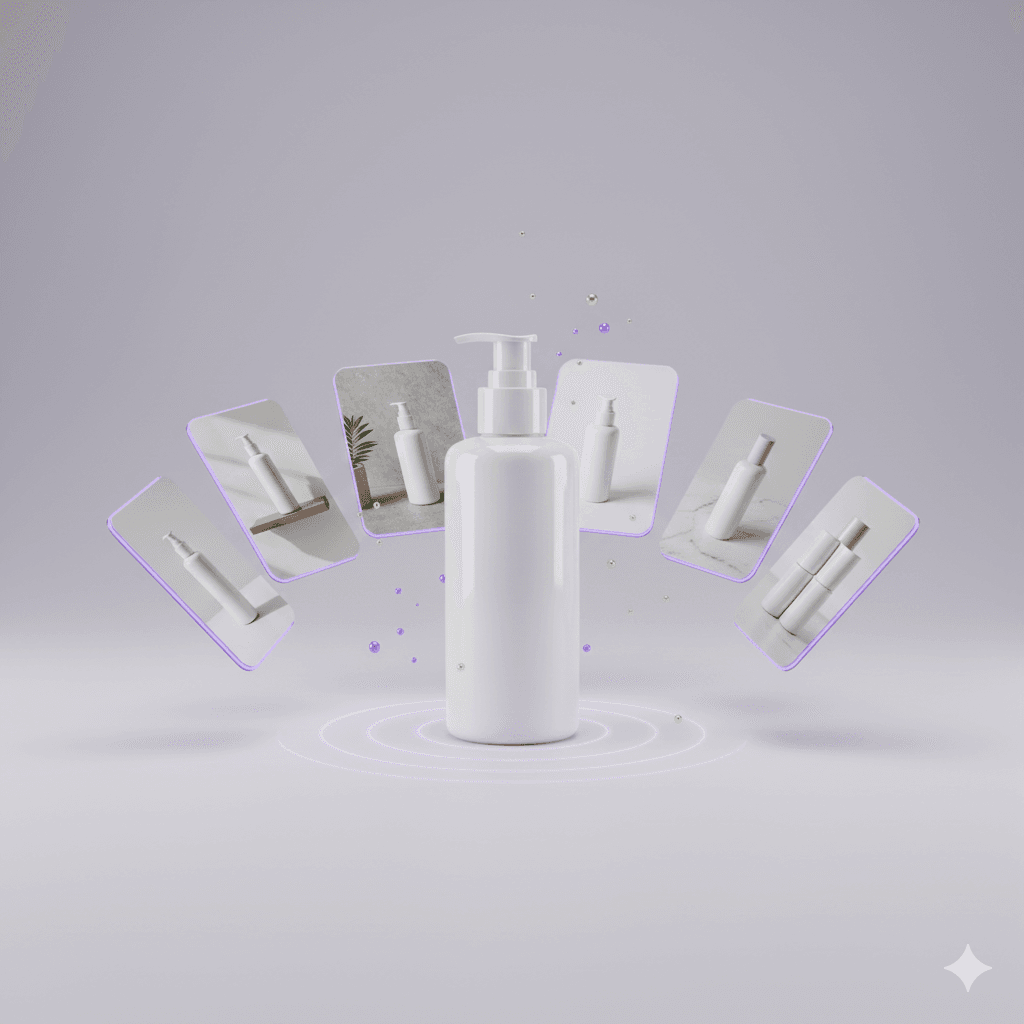
Artificial intelligence has moved from experimental technology to essential e-commerce tool. In 2026, AI-generated product images are no longer a novelty but a standard practice for forward-thinking brands.
The technology now creates lifestyle shots, infographics, and contextual product placements in minutes rather than days. Sellers can generate multiple variations for different platforms, seasons, and audiences without scheduling photoshoots or hiring designers for each iteration.
What makes this trend particularly powerful is accessibility. Small businesses and individual sellers now have the same visual capabilities as major brands. Tools like Selluna democratize professional-quality imagery by automating the creation process while maintaining brand consistency.
The result is faster time-to-market for new products, more extensive testing of visual approaches, and significantly lower production costs. Expect this trend to accelerate as AI tools become more sophisticated and generate even more realistic, compelling imagery.
2. 3D product visualization replaces traditional photography
Static images are giving way to interactive 3D product models that customers can rotate, zoom, and examine from every angle. This trend addresses one of the biggest pain points in online shopping: the inability to physically inspect products before purchase.
3D visualization particularly benefits categories like furniture, electronics, fashion accessories, and home decor. Shoppers can see how a piece of furniture looks from the side, check the back of an electronic device for ports, or examine jewelry clasps up close.
The technology also enables virtual try-on experiences and augmented reality features. Customers can visualize how products fit in their actual spaces using their phone cameras. This reduces return rates substantially while increasing purchase confidence.
Creating 3D models used to require specialized equipment and expertise. Now, AI-powered tools can generate 3D representations from standard photographs, making this technology accessible to businesses of all sizes.
3. User-generated content takes center stage
Polished brand photography still matters, but authentic user-generated content (UGC) has become equally important in 2026. Customers trust real people more than marketing departments, and they actively seek out genuine product experiences before buying.
Smart brands now incorporate customer photos, unboxing videos, and real-world usage shots directly into their product listings. These images show products in actual homes, on real bodies, and in everyday situations that professional photography often misses.
The power of UGC lies in its authenticity. A customer photo showing slight color variation or size comparison with common household items provides information that staged photography cannot. This transparency builds trust and sets accurate expectations.
Encouraging customers to share their experiences through branded hashtags, review programs, and post-purchase email campaigns has become standard practice. The best performers curate and showcase this content strategically across their listings and social channels.
4. Motion and video content dominate product pages
Static images are no longer sufficient for many product categories. Video content and animated visuals have become essential components of high-performing listings in 2026.
Short product videos demonstrate functionality, show scale, highlight features, and create emotional connections in ways that still images cannot. A 15-second video showing a kitchen gadget in action communicates more effectively than ten static photos.
The trend extends beyond traditional video to include animated GIFs, cinemagraphs (photos with subtle motion), and rotating product displays. These formats capture attention as shoppers scroll through search results and maintain engagement on product pages.
Creating video content is now faster and more affordable than ever. AI tools can generate product videos from existing images, add motion to static photos, and create professional-looking demonstrations without expensive production crews.
Platforms increasingly prioritize video content in their algorithms as well. Listings with video consistently rank higher in search results and achieve better conversion rates across marketplaces.
5. Minimalist design with strategic color psychology
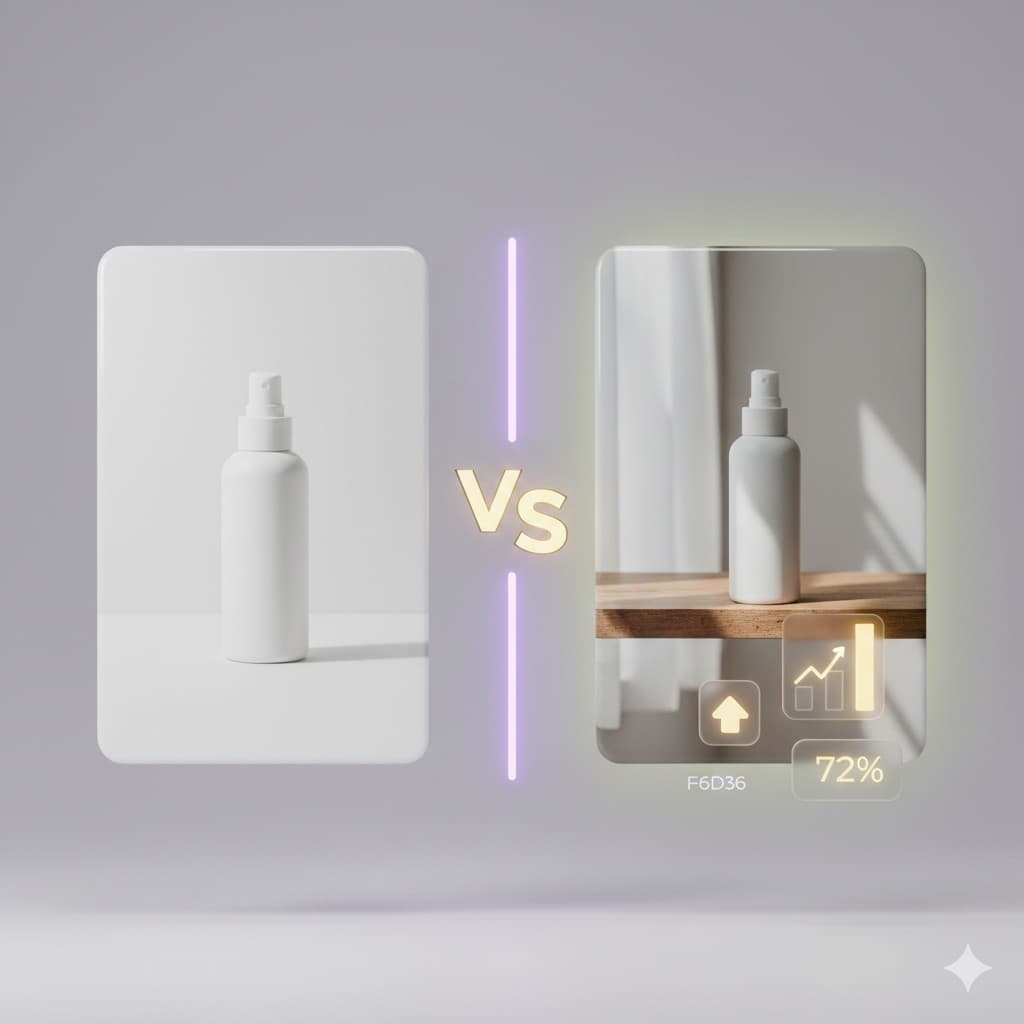
Visual complexity is giving way to cleaner, more focused product imagery. The minimalist trend emphasizes the product itself rather than elaborate backgrounds or excessive styling elements.
However, this minimalism is strategic rather than plain. Brands carefully select background colors, lighting, and compositional elements based on color psychology principles. Different hues evoke specific emotions and influence purchase decisions in measurable ways.
For example, blue backgrounds suggest trust and reliability for technology products. Warm earth tones create comfort and authenticity for natural or organic items. Bold, high-contrast compositions grab attention in crowded marketplace searches.
The key is intentional simplicity. Every element in the frame serves a purpose, whether that is highlighting a product feature, creating emotional resonance, or improving visibility in thumbnail size.
This approach also improves loading speeds and mobile performance, which directly impact search rankings and user experience across platforms.
6. Inclusive and diverse product representation
Representation matters more than ever in 2026. Customers expect to see themselves reflected in product imagery, and brands that fail to show diversity lose significant market share.
This trend goes beyond simply including different models. It encompasses showing products in various contexts, on different body types, in multiple skin tones for beauty products, and in diverse lifestyle situations that reflect actual customer demographics.
The business case is clear: inclusive imagery expands your potential customer base and increases conversion rates among underrepresented groups. When shoppers can visualize themselves using a product, they are more likely to purchase.
Technology now makes creating diverse imagery more feasible. AI tools can generate product representations across different scenarios and demographics without requiring dozens of separate photoshoots. This removes the cost barrier that previously prevented many smaller brands from embracing inclusive visual strategies.
7. Shoppable social media content integration
The line between social media and e-commerce continues to blur in 2026. Visual content now seamlessly transitions from inspiration to transaction, with shoppable posts becoming the norm rather than the exception.
Brands create content specifically designed to perform on social platforms while linking directly to product pages. Instagram, Pinterest, TikTok, and other platforms have enhanced their shopping features, making it possible to purchase without ever leaving the app.
This trend requires a shift in visual strategy. Product images must work as standalone social content, attract engagement, tell stories, and drive purchases simultaneously. The most successful approaches feel native to each platform rather than obviously promotional.
E-commerce image trends increasingly reflect social media aesthetics. Casual, authentic-looking visuals often outperform traditional product photography on these channels. Smart brands create content that functions both as social media posts and marketplace images.
8. Sustainability storytelling through visuals
Environmental consciousness influences purchase decisions more than ever. Customers want to know where products come from, how they are made, and what happens to packaging after delivery.
Visual content now tells these sustainability stories explicitly. Brands showcase eco-friendly packaging, highlight natural materials, demonstrate product longevity, and illustrate their environmental commitments through imagery.
This might include photos of sustainable sourcing, infographics showing reduced carbon footprints, or lifestyle images emphasizing reusability and durability. The goal is making abstract environmental benefits tangible and visible.
Authenticity is critical here. Customers quickly spot and punish superficial greenwashing. Effective sustainability visuals show real practices and genuine commitments rather than vague claims or stock imagery of nature.
9. Interactive infographics and data visualization
Complex products require clear communication of features, specifications, and benefits. Static text descriptions no longer suffice when competing for attention in crowded marketplaces.
Interactive infographics have emerged as the solution. These visuals combine product photography with clear, scannable information about key features, dimensions, materials, and use cases. They answer common questions visually before customers need to read lengthy descriptions.
The best infographics follow information hierarchy principles. The most important benefits appear prominently, with supporting details organized logically. Icons, callouts, and strategic text placement guide the eye through the information naturally.
This trend particularly benefits Amazon sellers, where infographic images in secondary slots dramatically improve conversion rates. However, the approach works across all platforms where customers need to quickly understand what makes a product valuable.
Creating effective infographics requires balancing visual appeal with information density. Too cluttered, and they become overwhelming. Too simple, and they fail to communicate adequately. AI tools now help brands find this balance by generating multiple variations for testing.
10. Hyper-personalized visual experiences
The final major trend is personalization of product imagery based on customer data, browsing behavior, and preferences. Technology now enables showing different visuals to different customer segments.
A customer browsing winter coats from a cold climate might see the product in snowy settings, while someone from a warmer region sees the same coat styled for milder weather. Fashion items might appear on models matching the customer's indicated preferences or past purchases.
This level of personalization was technically impossible at scale just a few years ago. Now, AI-driven platforms can dynamically serve appropriate imagery without manual intervention for each variation.
The impact on conversion rates is substantial. When customers see products in contexts relevant to their lives, purchase intent increases measurably. The technology will only become more sophisticated as AI tools gain better understanding of customer preferences and behavior patterns.
Implementing these trends in your visual strategy
Understanding e-commerce image trends is valuable, but implementation drives results. Start by auditing your current visual content against these ten trends. Identify gaps between your current approach and emerging best practices.
Prioritize changes based on your product category, target audience, and competitive landscape. Not every trend applies equally to all businesses. A furniture seller might focus heavily on 3D visualization, while a beauty brand emphasizes inclusive representation and UGC.
Test new visual approaches systematically rather than overhauling everything simultaneously. Use A/B testing to validate which trends actually improve your specific metrics before scaling changes across your entire catalog.
Consider how AI tools can accelerate implementation. Platforms like Selluna enable rapid creation of diverse visual content aligned with current trends. Generate lifestyle images, create infographics, produce multiple variations for different platforms, and test extensively without traditional production timelines or costs.
Remember that visual trends continue evolving. What works today might become standard tomorrow and outdated next quarter. Build ongoing visual optimization into your workflow rather than treating it as a one-time project.
Stay ahead with visual innovation
The ten e-commerce image trends outlined here represent where successful brands are investing their creative energy in 2026. From AI-generated imagery to personalized experiences, these approaches share a common thread: they prioritize customer needs, leverage technology, and focus on authentic connection.
Your visual strategy directly impacts every crucial e-commerce metric. Better images drive higher click-through rates in search results, increase time spent on product pages, reduce returns through accurate representation, and ultimately boost conversion rates and revenue.
The competitive advantage goes to brands that adopt these trends early and execute them well. While your competitors still rely on basic product photography, you can offer immersive 3D experiences, authentic UGC, and strategically designed visuals that convert browsers into buyers.
Technology makes implementation more accessible than ever. You no longer need massive budgets or specialized teams to create professional-quality imagery that reflects current trends.
Ready to transform your product visuals and capture more sales in 2026? Try AI image generation for your product images and other creatives for free today with Selluna. Generate marketplace-ready images in two minutes, implement the latest visual trends effortlessly, and stay ahead of the competition. Your visual transformation starts now.
See it on your own product.
Paste your product link into Selluna and get on-brand images in about a minute.
✦ Try Selluna FreeLearn more about Selluna